Air Compressor Pump Up Time Calculator
Calculate how long your compressor takes to pump up from cut-in to cut-out pressure based on tank size and compressor CFM.
List of the Best Air Compressor:


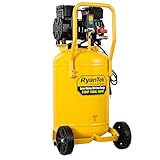

Understanding Pump Up Time
Pump up time is the duration required for your compressor to raise tank pressure from the cut-in to cut-out setting. This critical metric affects compressor cycling and system performance.
Key Pump Up Time Concepts
1. Pressure Band
The working range of your compressor:
- Cut-In: Pressure when pump starts
- Cut-Out: Pressure when pump stops
- Typical band: 20-40 PSI
- Wider bands reduce cycling
2. Tank Fill Time
Factors affecting fill time:
- Tank volume (gallons)
- Compressor delivery (CFM)
- Pressure difference (ΔPSI)
- Ambient conditions
3. Cycling Impact
How pump up time affects operation:
- Short times = frequent cycling
- Long times = extended run periods
- Optimal: 1-3 minutes for most systems
- Affects motor lifespan
Typical Pump Up Times by Compressor Size
| Tank Size | 5 CFM | 10 CFM | 20 CFM | 30 CFM |
|---|---|---|---|---|
| 30 Gallon | 2.5-3.5 min | 1.2-1.8 min | 0.6-0.9 min | 0.4-0.6 min |
| 60 Gallon | 5-7 min | 2.5-3.5 min | 1.2-1.8 min | 0.8-1.2 min |
| 80 Gallon | 6.5-9 min | 3.3-4.5 min | 1.6-2.3 min | 1.1-1.5 min |
| 120 Gallon | 10-14 min | 5-7 min | 2.5-3.5 min | 1.7-2.3 min |
Times shown for 30 PSI pressure band (e.g. 100-130 PSI) at 85% efficiency
Pump Up Time Calculation Method
Basic Formula
The pump up time is calculated using:
Time (minutes) = [Tank Volume × (P2 - P1)] / [CFM × 14.7 × Efficiency/100]
Where:
- Tank Volume = In gallons
- P2 = Cut-out pressure (PSIA = PSI + 14.7)
- P1 = Cut-in pressure (PSIA)
- CFM = Compressor free air delivery
- 14.7 = Atmospheric pressure at sea level
- Efficiency = Pump efficiency percentage
Optimizing Pump Up Time
Adjustable Parameters
Pressure Band
- Wider band increases pump up time
- Reduces cycling frequency
- Typical 20-40 PSI difference
- Adjust pressure switch settings
Tank Size
- Larger tanks increase fill time
- Provides more buffer capacity
- Consider secondary tanks
- Space and cost constraints
System Improvements
Compressor Matching
- Proper CFM for demand
- Multiple compressors
- Variable speed drives
- Correct pressure ratings
Efficiency Gains
- Reduce air leaks
- Maintain intake filters
- Proper lubrication
- Cooling system maintenance
Frequently Asked Questions
Q: What is a good pump up time for my compressor?
A: Ideal pump up times vary by application:
- Small shop compressors: 1-3 minutes
- Industrial units: 2-5 minutes
- Continuous operation: 5-10 minutes
- Should match your usage pattern
Q: Why does my compressor take longer to pump up?
A: Common causes of increased pump up time:
- Compressor wear (rings, valves)
- Air leaks in system
- Dirty intake filter
- Higher altitude operation
- Increased demand during pump up
Q: How often should my compressor cycle?
A: Recommended cycling frequency:
- Reciprocating: Max 6-8 starts/hour
- Rotary screw: 4-6 cycles/hour
- Centrifugal: Continuous operation
- Excessive cycling reduces motor life
Q: Can I increase my pressure band to reduce cycling?
A: Yes, with considerations:
- Wider bands reduce cycling
- Ensure tools work at lower pressure
- Don't exceed tank/component ratings
- Typical max band: 40-50 PSI
- Adjust pressure switch carefully
Troubleshooting Pump Up Issues
Slow Pump Up Symptoms
- Check for air leaks (soapy water test)
- Inspect compressor valves and rings
- Verify intake filter cleanliness
- Test actual CFM output
- Monitor voltage during operation
Rapid Cycling Problems
- Check pressure switch operation
- Inspect check valve for leaks
- Verify tank drain operation
- Assess demand during pump up
- Consider larger tank if appropriate